In today’s filtration industry, manufacturers face a crucial decision when investing in new production capacity: should you build around
melt-blown filter media or focus on
pleated filter cartridges? Both technologies play vital roles across air and liquid filtration markets, yet they differ greatly in raw materials, equipment investment, performance characteristics, and target applications.
Choosing the right production line is not just a technical decision—it directly affects your factory layout, capital expenditure, product positioning, and long-term competitiveness. This article compares melt-blown and pleated filtration technologies from a manufacturing perspective, helping factory owners and decision-makers select the best path for their operations.
 1. Understanding Melt-Blown Filtration Technology
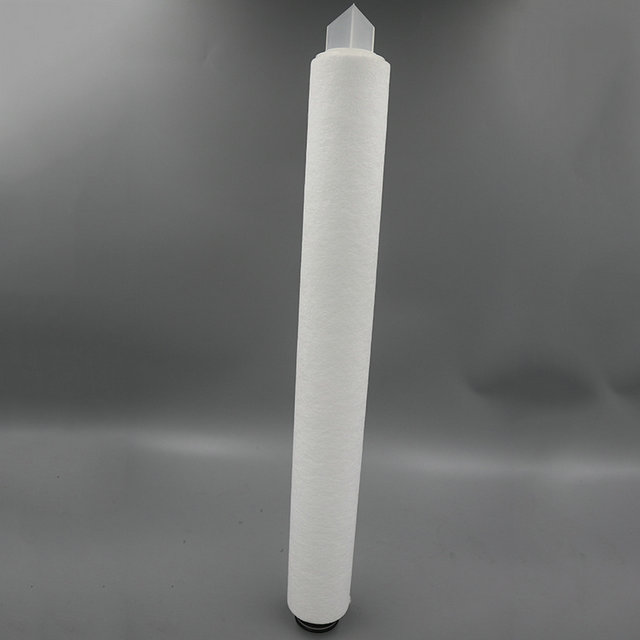
Melt-blown filtration media is produced by extruding molten polymer—typically polypropylene—through fine nozzles and attenuating the fibers using high-velocity hot air. The result is a
nonwoven web of ultra-fine fibers, often in the 1–5 micron range.
Key Characteristics of Melt-Blown Media
- Random fiber structure
- High depth filtration capacity
- Strong particle capture through mechanical interception
- Disposable, one-piece filter elements
- Typically used without pleating
Melt-blown elements are commonly formed into
depth filter cartridges, where filtration occurs throughout the thickness of the media rather than only on the surface.
2. Understanding Pleated Filtration Technology
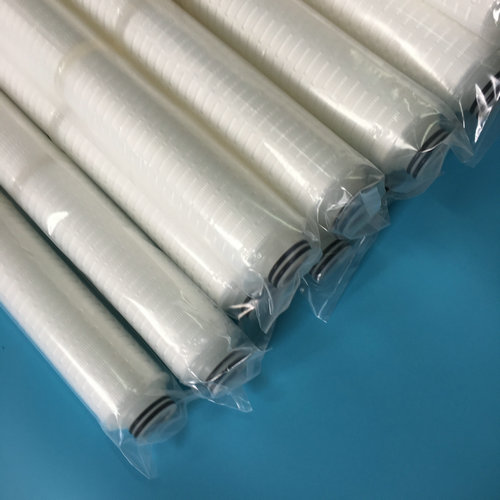
Pleated filtration uses flat sheet media—such as polyester, polypropylene, fiberglass, or membrane-laminated materials—that is
pleated to increase surface area. The pleated pack is then assembled with inner cores, outer cages, and end caps to form a complete cartridge.
Key Characteristics of Pleated Filters
- High effective filtration area
- Lower pressure drop at high flow rates
- Surface or combined surface/depth filtration
- Cleanable and reusable options
- Wide range of micron ratings and media types
Pleated filters dominate applications where
efficiency, flow, and service life are critical.
3. Production Line Overview: Melt-Blown vs. Pleated
Melt-Blown Production Line
A typical melt-blown line includes:
- Polymer feeding and extrusion system
- Melt-blown die head
- High-temperature air supply
- Fiber collection drum or conveyor
- Winding or cutting system
This process is
continuous and highly automated, producing rolls or formed depth filter elements.
Pleated Filter Production Line
A pleated cartridge line generally includes:
- Media slitting and feeding
- Pleating machine
- Hot melt or adhesive bonding
- Inner core and outer cage assembly
- End-cap welding or potting
- Final inspection and testing
Pleated lines are
modular, allowing flexible configurations depending on product design.
4. Capital Investment and Operating Costs
Melt-Blown Line Investment
- High initial equipment cost
- High energy consumption (heat and air)
- Requires polymer processing expertise
- Large floor space and utility infrastructure
However, once installed, melt-blown lines offer:
- High output volume
- Low labor dependency
- Consistent media quality
Pleated Line Investment
- Lower entry cost compared to melt-blown extrusion
- Modular investment—expand line by line
- Lower energy consumption
- More labor involvement, but easier to train
For factories entering filtration for the first time, pleated lines often present a
lower financial barrier.
5. Product Performance Comparison
| Factor |
Melt-Blown Filters |
Pleated Filters |
| Filtration Area |
Low |
Very high |
| Pressure Drop |
Higher |
Lower |
| Dirt Holding Capacity |
High (depth) |
High (surface + depth) |
| Service Life |
Shorter |
Longer |
| Cleanability |
No |
Yes (in many cases) |
| Design Flexibility |
Limited |
Very high |
Melt-blown filters excel in
single-use, disposable applications, while pleated filters are better suited for
long-term, high-performance filtration.
6. Application-Driven Decision Making
When Melt-Blown Makes Sense
Choose a melt-blown production line if your target markets include:
- Pre-filtration in water treatment
- Disposable liquid depth filters
- Low-cost industrial filtration
- High-volume, standardized products
Melt-blown cartridges are ideal where
cost per unit matters more than lifespan or reusability.
When Pleated Is the Better Choice
Pleated production lines are ideal for:
- Pharmaceutical and biotech filtration
- Food & beverage processing
- Chemical and electronics industries
- High-flow air and liquid filtration systems
If your customers demand
high efficiency, low pressure drop, and longer service life, pleated filters are the preferred solution.
7. Flexibility and Customization
One of the biggest advantages of pleated filter production is
design flexibility. With the same line, manufacturers can produce:
- Different cartridge lengths and diameters
- Multiple micron ratings
- Various end-cap styles and adapters
- Application-specific filter designs
Melt-blown production, in contrast, is optimized for
consistency and volume, with less flexibility for frequent product changes.
8. Quality Control and Regulatory Compliance
Industries with strict standards often favor pleated filters because they:
- Support membrane media for absolute filtration
- Are easier to validate and test
- Offer traceable component control
Melt-blown filters are widely accepted in industrial markets but may face limitations in
critical or regulated environments.
9. Scalability and Long-Term Strategy
From a long-term perspective:
- Melt-blown lines suit factories targeting mass production
- Pleated lines suit factories aiming for diversified, high-value products
Many advanced filtration manufacturers ultimately operate
both technologies, using melt-blown filters as pre-filters and pleated filters for final filtration stages.
10. Making the Right Choice for Your Factory
Before deciding, ask the following questions:
- Who is my target customer?
- Is my market price-driven or performance-driven?
- How much flexibility do I need?
- What level of automation and energy cost can I support?
- Do I plan to expand into premium filtration segments?
The answers will naturally point toward the right production line.
Conclusion
Both melt-blown and pleated filtration technologies are essential to modern filtration markets, but they serve
very different manufacturing strategies. Melt-blown production lines deliver high-volume, cost-effective depth filters, while pleated lines offer unmatched performance, flexibility, and long-term value.
Choosing the right production line is about aligning technology with your factory’s
market goals, investment capacity, and growth strategy. Manufacturers who make this decision thoughtfully position themselves not just to compete—but to lead—in an evolving global filtration industry.